Public Safety

Law Enforcement

Encrypted talkgroups that are actually managed, interoperability agreed before the incident, and an engineer on call around the clock.

Communications for Law Enforcement

Law enforcement radio carries two requirements that pull against each other. Everyone who needs to hear has to hear, and nobody else should. Encryption solves one half of that and interoperability solves the other.

We build systems that do both, manage the encryption keys so it does not become an internal administrative burden, and arrange the interoperability with partner agencies before an incident makes the question urgent.

What the Job Demands

Secure By Default

Traffic anyone with a scanner can follow is not operational security, and encryption only holds if the keys are managed.

Interoperable On Scene

A mutual aid partner has to be reachable on the day, which takes agreed channels and patches tested well in advance.

Discreet When Needed

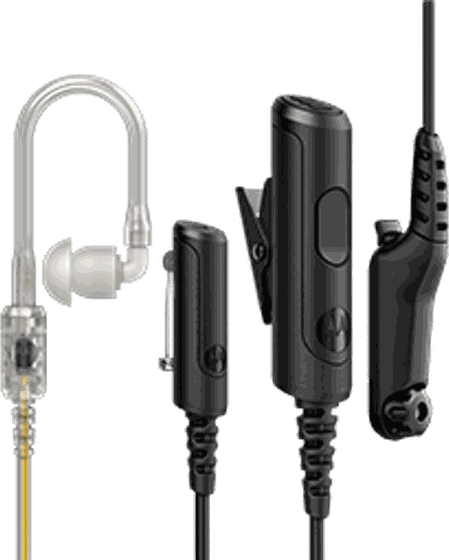
Plain clothes work needs audio that stays with the officer rather than announcing a position to everybody nearby.

Covered Across the County

A unit at the edge of the jurisdiction needs the same system as the one outside the station, with no dead area between.

How We Work With Your Agency

Five steps, in order, with a document at the end of each one. Encryption and interoperability are decided on paper first, not in the field.

  1. 1AssessWe review your patrol area, your facilities and your mutual aid partners, and inventory what you run today.
  2. 2DesignCoverage study, talkgroup and encryption plan, and an equipment list, written down before anything is priced.
  3. 3FundQuotes and specifications shaped for a grant application, with the documentation reviewers ask for.
  4. 4InstallPatrol vehicles, stations and surveillance kits, programmed to your plan and tested on the street.
  5. 5MaintainService agreement, key management and 24/7 response, so a radio problem never becomes an officer safety problem.

What We Specify

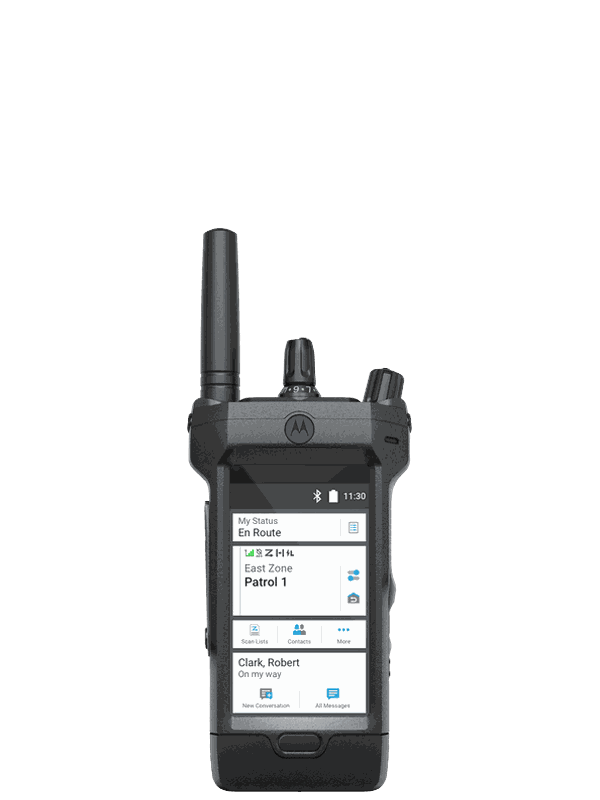
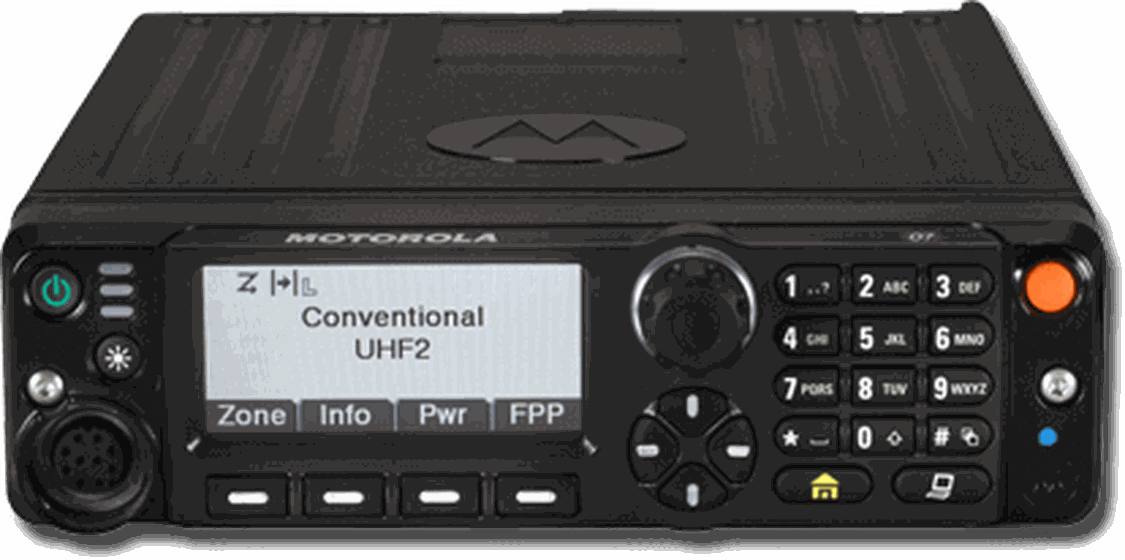
The equipment we most often put in front of this kind of agency. Each has a page of its own.

Standards We Build To

Why it matters

A patrol system is only as secure as the standard it was built and keyed to.

These are the ones that govern law enforcement radio. Every system we hand over is documented against them, so audits, CJIS reviews and grant applications start from paper that already exists.

How we design systems
  • P25Project 25, Phase 1 and 2Open standard digital radio, so your officers talk to neighboring agencies on other makers' systems.
  • AESAES-256 encryptionFederal grade encryption on tactical and investigative talkgroups, with keys managed rather than set once and forgotten.
  • OTAROver-the-air rekeyingEncryption keys changed from the console, not by touching every radio in the fleet one at a time.
  • CJISCJIS Security PolicyData moving over LTE and dispatch networks handled the way the FBI criminal justice policy requires.
  • NFPANFPA 1225The emergency communications code, covering dispatch centers and in-building radio coverage.
  • FCCFCC Part 90 licensingFrequency coordination and licensing handled for you, so the system is legal the day it goes on air.

Services That Matter Here

How Agencies Pay for It

Most of the police radio systems we build are not paid for out of an operating budget. These are the paths agencies usually take.

Federal

Byrne JAG and COPS grants

The Justice Assistance Grant and COPS technology programs fund radios, encryption and dispatch equipment for local agencies.

Homeland security

SHSP and UASI

State Homeland Security and Urban Area Security programs fund interoperable communications, usually through your county or state agency.

Local

Capital budgets and leasing

Capital plans, forfeiture funds where permitted and multi-year equipment leases, which spread a fleet replacement across its life.

Common Questions

We generate, load, rotate and track the keys, and we hold the records. Encrypted systems usually fail through process rather than technology, and that is the part we run.

Yes, and it needs arranging in advance. We agree the shared channels, configure the patches and test them with your partners rather than finding out during an incident.

A surveillance kit, with the audio in the ear and the microphone at the lapel or cuff, so the channel stays with the officer rather than carrying across a room.

Only where units routinely work partner systems. For everything else single band costs less and weighs less, and we will tell you plainly which your operation needs.

Yes, once each agency has approved access. We build the shared channels into the same zone on every radio, so an officer finds them fast without looking down.

Other Agencies We Equip

Equipping an Agency?

Tell us what you run today and what it has to do. We design around that rather than around a catalog.