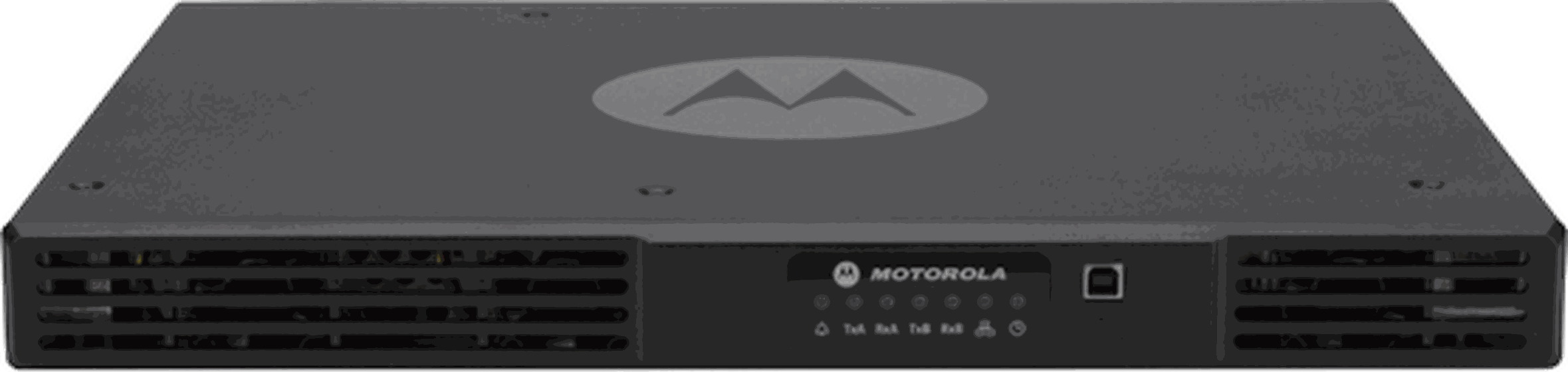
1 to 10 W
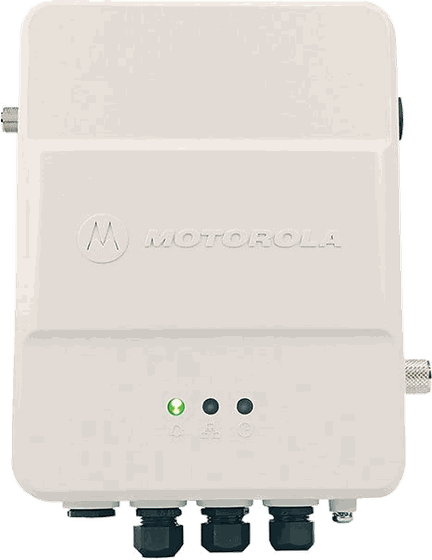
SLR 1000
- 1 to 10 W transmit power
- IP65 rated for dust and water
- Fanless, low power design
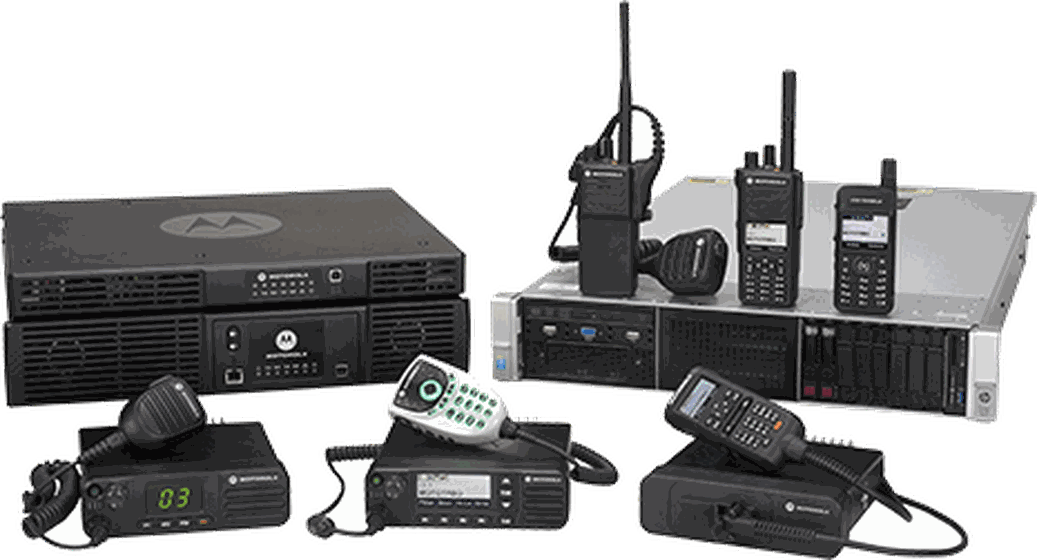
The same repeater hardware supports everything from a single standalone site to a linked multi-site trunked network, so the system type is a design decision rather than a hardware one. We size it to the fleet and to how the fleet will grow.
Nothing is bought here. Build a list and we come back with a written quote.
The repeater hardware is the same across conventional, IP Site Connect, Capacity Plus and Capacity Max. What changes is the system type, which is a licensing and design decision rather than a different box. That is useful, because it means the architecture can change without the hardware being thrown away.
The right choice depends on how many users share the system, how many sites it has to cover and how much the traffic peaks. We size it against the fleet you have and the fleet you expect, because a system designed exactly for today runs out of room the first year it gets busy.
The system type is the decision that shapes cost, not the hardware. Conventional suits most single sites. IP Site Connect joins locations into one system. Trunking earns its keep once groups start queuing for a channel. We size against the fleet you have and where it is heading.
Because the repeaters are common across all of these, changing system type later is a licensing and configuration exercise rather than a hardware replacement. That is worth knowing at the start, because it means you do not have to buy the end state on day one to protect it.
The industries we supply the System Types to, and how customers put it to work.
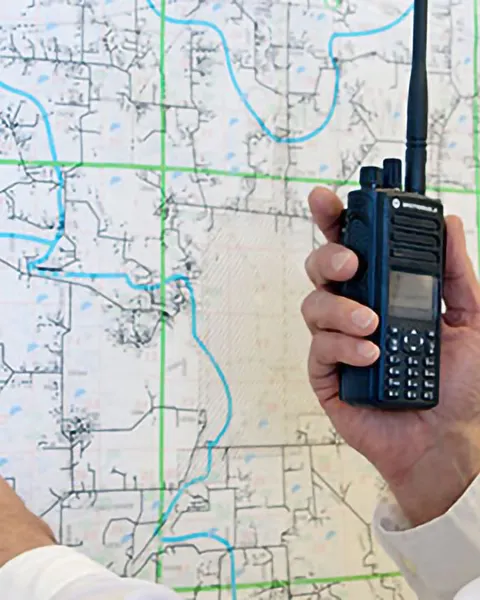 Local GovernmentView industry
 UtilitiesView industry
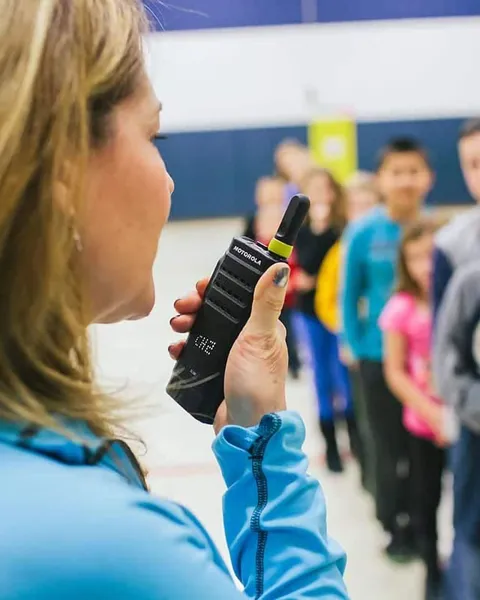 EducationView industry
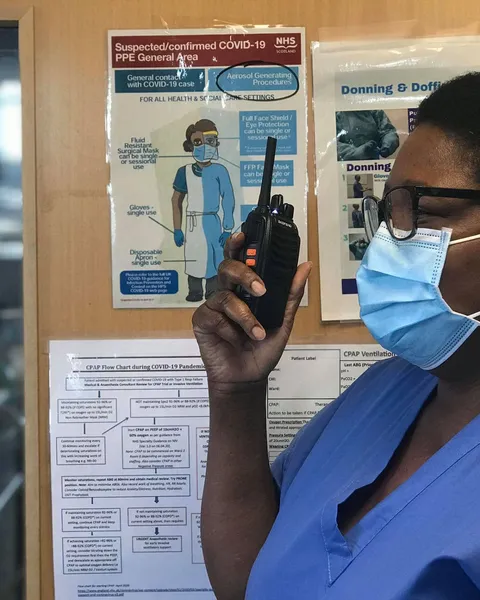 HealthcareView industry
 TransportationView industry
A conventional system is often the right answer, and it does not close the door on what you may need later.
IP Site Connect joins separate sites into one system, so a talkgroup carries across every location covered.
Trunking makes sense once traffic peaks, because channels are allocated as needed rather than fixed per group.
Every model in the Repeaters range side by side, so you can see where this one sits and what the others offer.
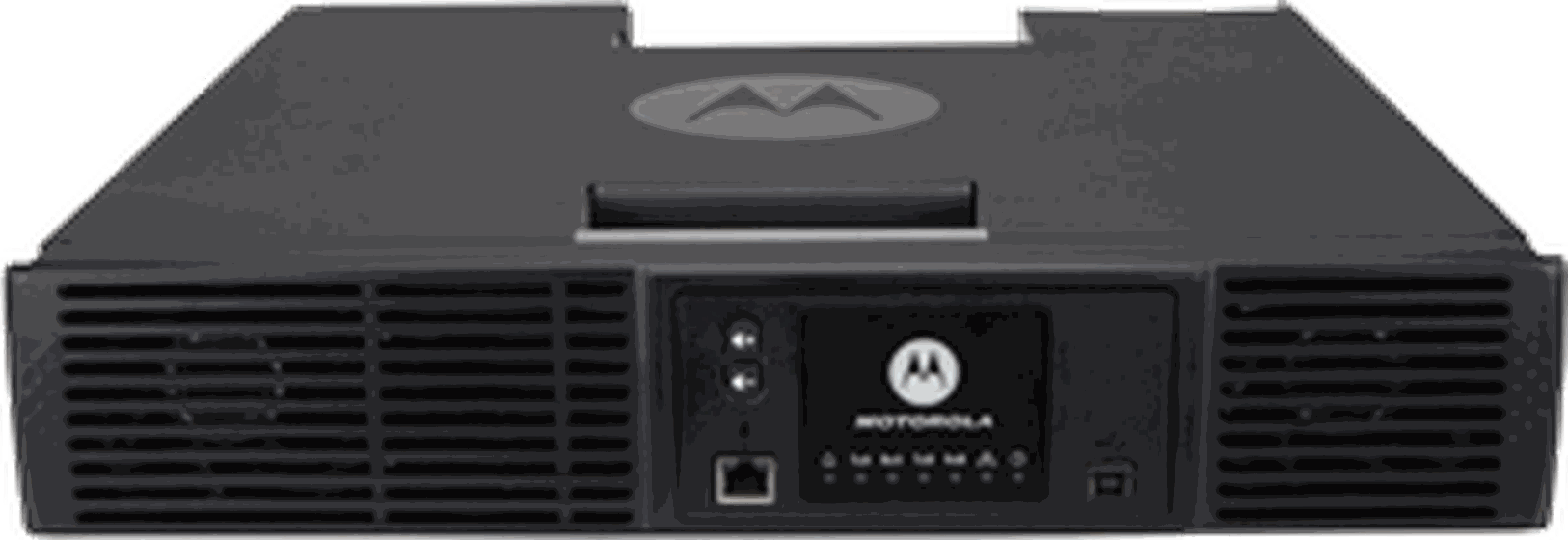
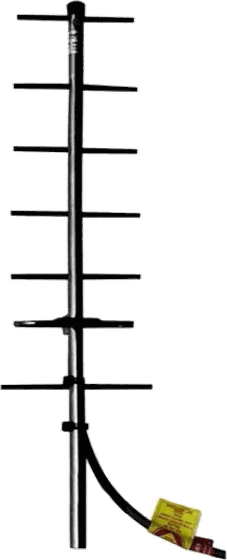
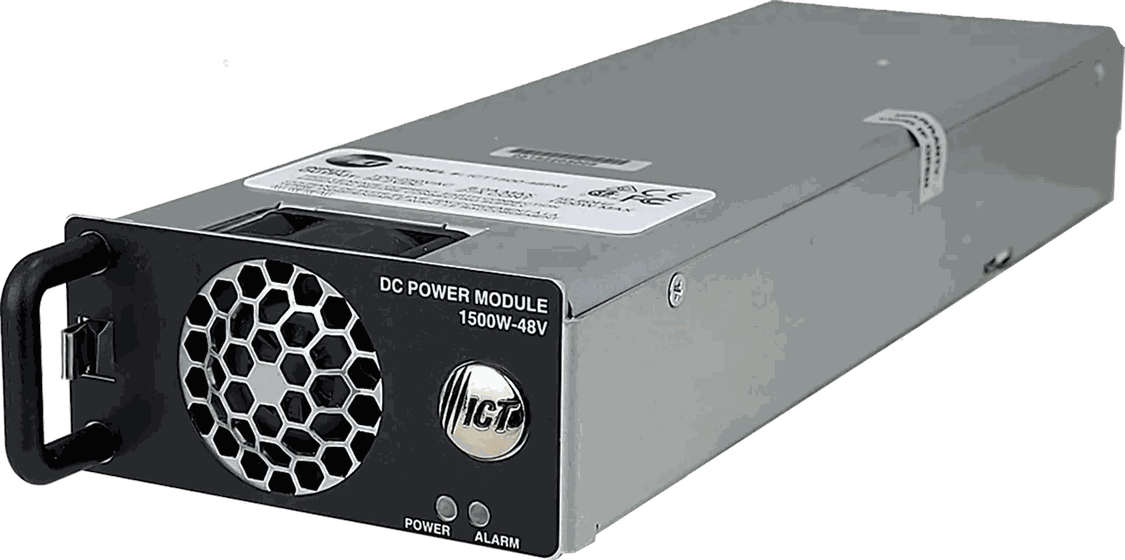
We measure coverage on site first, so what gets specified matches the building and the ground, not a guess.
Our own technicians mount, cable and commission the site, including the antenna, feeder and grounding work.
DC power plants with battery banks keep the site running through an outage rather than failing with the grid.
Scheduled service, remote monitoring and 24/7 response are written into the contract rather than left open.
What customers usually add alongside the System Types, so the whole setup arrives on one quote.
Tell us how the radios will be used and we will recommend a tier rather than quoting the most expensive option on the list.